Who is the merchant?
Ownership of funds, refunds, disputes and invoices determines whether you need direct payments, subscriptions or marketplace architecture.
UK implementation guides
Checkout is a chain of money, tax, fulfilment and evidence—not a payment button. This cluster helps UK retailers, marketplaces and subscription businesses decide where platform defaults end and custom operational logic begins.
Decision overview
Architecture and operations for UK payments, ecommerce, tax, shipping and cross-border sales, grounded in production implementation choices.
Ownership of funds, refunds, disputes and invoices determines whether you need direct payments, subscriptions or marketplace architecture.
Model the order, payment, tax, refund and fulfilment states as separate records joined by durable provider identifiers.
A paid order is not a shipped order. Carriers, stock, address quality and asynchronous webhooks need observable recovery paths.
UK-only, Northern Ireland, EU and worldwide sales have different tax, customs, payment and customer-experience requirements.
Working principles
Published guidance
Each guide states what the cited source supports, what still needs product or professional judgement, and how the integration fails in practice.
A production pattern for signatures, idempotency, retries, event ordering and reconciliation.
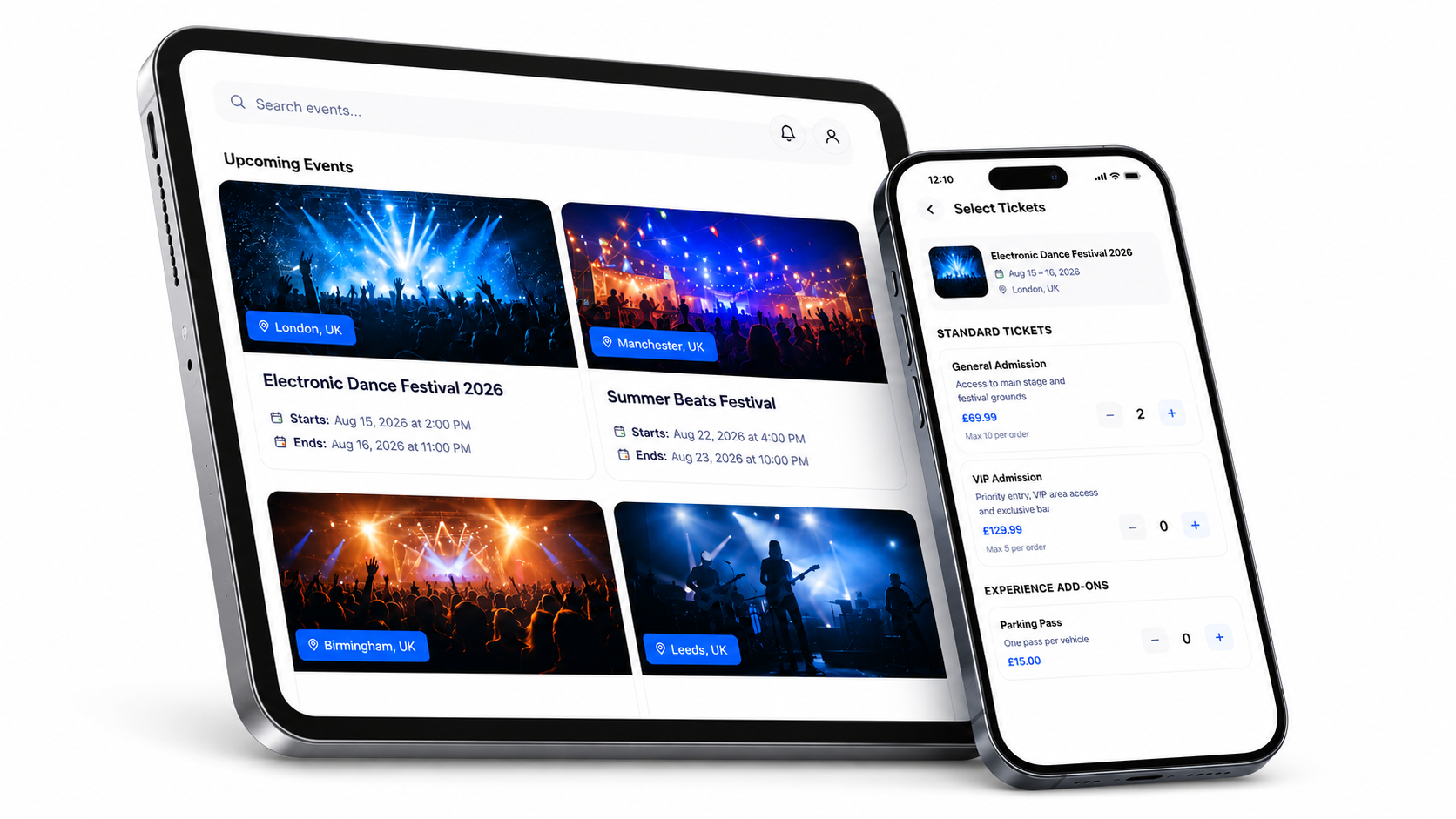
Read the guide →TicketingThe ownership, payment and operational trade-offs behind a UK event platform build.
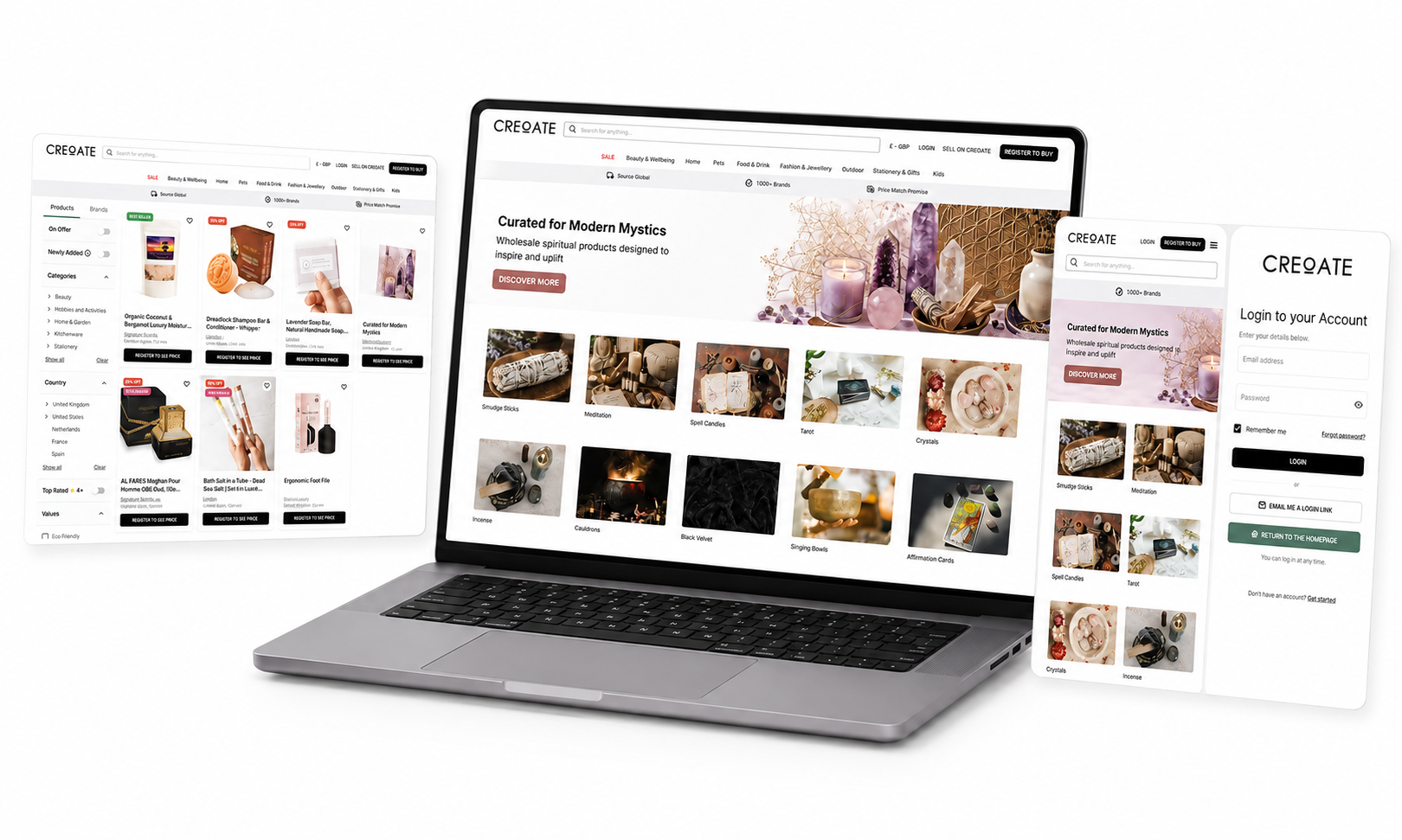
Read the guide →MarketplaceThe features and operational decisions that dominate a wholesale marketplace budget.
Read the guide →These pages provide technical and operational guidance, not legal, tax, financial or compliance advice. Confirm regulated decisions with an appropriately qualified UK adviser.
Explore all UK insight clusters →