


What is the failure budget?
Availability, recovery time, data-loss tolerance and traffic shape should drive hosting—not a favourite cloud logo.
UK implementation guides
Architecture becomes a business constraint when a system must stay fast, supportable and defensible after launch. These guides connect technical design to the UK operating context: data location, supplier responsibilities, accessibility, search visibility and handover risk.
Decision overview
UK-focused guidance on hosting, GDPR, accessibility, performance, migrations, operational resilience and agency delivery.
Availability, recovery time, data-loss tolerance and traffic shape should drive hosting—not a favourite cloud logo.
Map controller, processor and sub-processor roles, locations and access before choosing infrastructure or an offshore delivery model.
Repository, deployment, secrets, backups, observability and decision records are part of the product, not optional documentation.
Rendering, accessibility and Core Web Vitals belong in acceptance criteria and release checks.
Working principles
Published guidance
Each guide states what the cited source supports, what still needs product or professional judgement, and how the integration fails in practice.
When decoupling improves performance and resilience—and when the extra moving parts are not worth it.
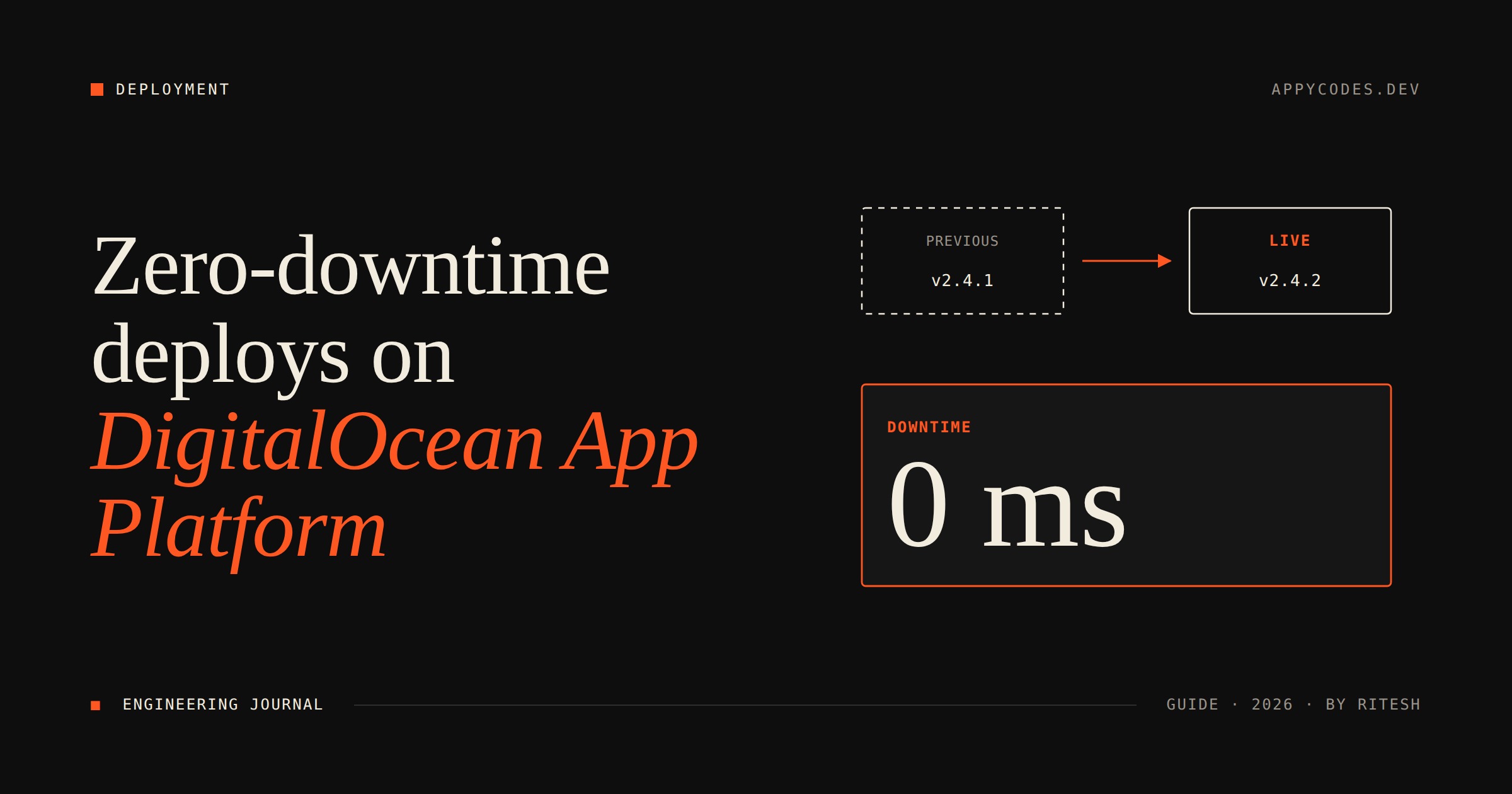
Read the guide →HostingRelease sequencing, health checks, migrations and rollback for production web applications.
Read the guide →PerformanceA practical rendering model for content that must load quickly and remain indexable.
Read the guide →These pages provide technical and operational guidance, not legal, tax, financial or compliance advice. Confirm regulated decisions with an appropriately qualified UK adviser.
Explore all UK insight clusters →