



AI-generated apps from Lovable, v0, Replit, Base44, Bolt, Cursor
Review generated code, authentication and data handling, then scope what is needed for a supported release.
We assess unfinished software projects and help teams recover compromised websites and applications. First, we establish what is working, what is at risk and what needs attention. You receive findings and a proposed plan before deciding on further work.
Selected to fit your product, existing systems and delivery requirements.
 Cloudflare
 WordPress
 Laravel
 Node.js
 Supabase
 Docker
 GitHub Actions
 Sentry
We help when a project has stalled, a prototype needs to become a supported product or a live system has been compromised. The first step is to establish what is there, the risks to your business and which work should come first. You receive findings and a practical plan before committing to the next phase.
Review generated code, authentication and data handling, then scope what is needed for a supported release.
Establish the current state, recover access and agree a prioritised plan to complete or stabilise the project.
Keep the useful work and add the validation, error handling, monitoring and delivery process needed for launch.
Contain identified threats, investigate the entry point and document remediation and follow-up checks.
Inspect checkout code, integrations and outgoing requests for unauthorised changes that can affect customer data.
Review access, updates, dependencies and recovery procedures to reduce operational and security risks.
Review code and infrastructure with prioritised findings to inform an investment or acquisition decision.
The brief, the build and what changed for the business.
 01
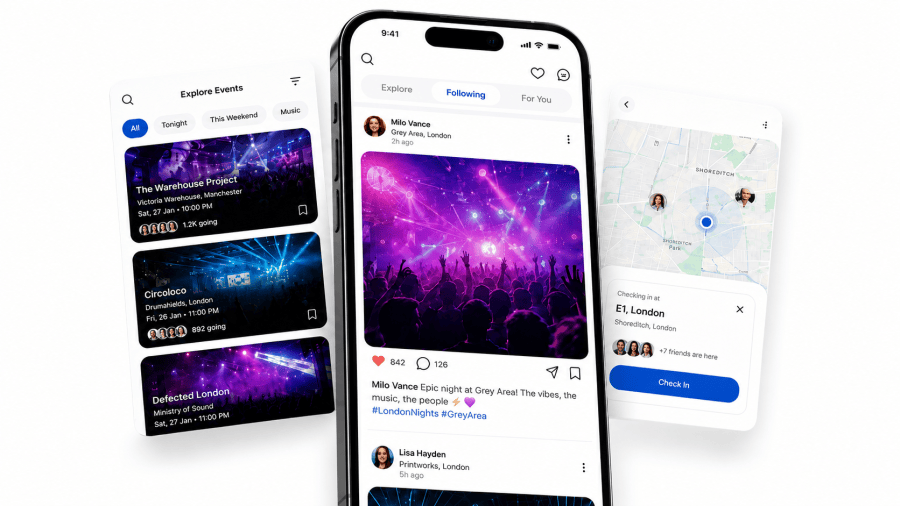
01 Social events
Mobile app, backend, advertising tools, a digital marketplace and website.
 02
02 Travel
A multilingual website connected to the booking API, with deposits, coupons and affiliate tracking.
 03
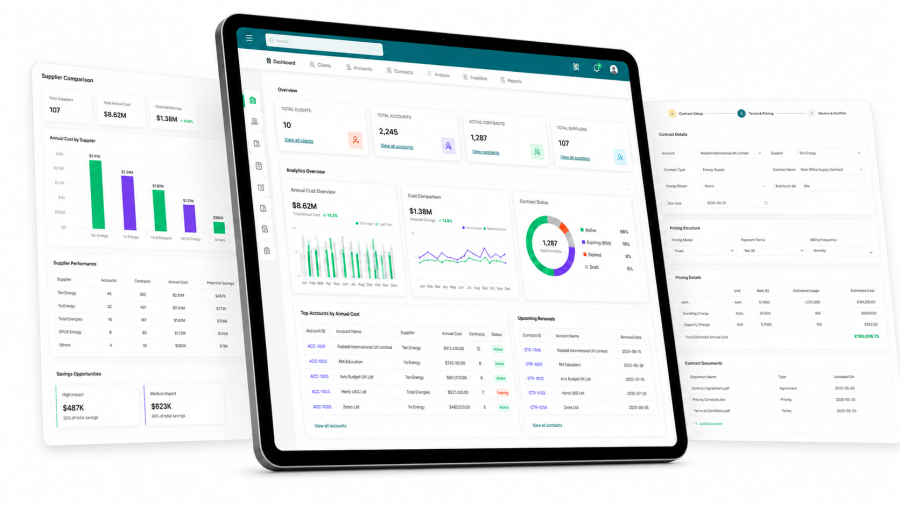
03 Energy brokerage
Supplier tenders, contract management, brokerage accounting and client records.
You work with the same senior team from the first scoping conversation through to launch and support.
A clear-eyed read of the code, the data model and — if it is live — what is actually running on it. You get the findings whether or not you continue with us.
Address the highest risks first, with a containment plan for any active compromise or production failure.
Finish agreed features, remediate identified issues and test the affected workflows, with a record of what changed.
Review tests, monitoring, backups and access controls, then agree follow-up checks and support responsibilities.
We agree the scope with you before development starts.
What is safe, what is not, and what it would take to fix — in plain language.
Prioritised work on authentication, permissions, validation and reliable data handling.
We investigate the entry point, remove identified malicious access and document findings and remaining uncertainty.
Auth edge cases, error states and the flows the prototype only pretended to handle.
What was found, where it came from, what changed — the document your processor, insurer or board needs.
CI/CD, monitoring and tested backup restoration are configured before handover.
Explore the technologies, integrations and specialist work behind each build.
 Clutch★★★★★5.0 / 5.0
Across 18 independently published client reviews
“They have a deeper technical knowledge than any web designer I've met to date.”
Lovable, v0, Replit, Base44, Bolt, Cursor-generated projects and hand-rolled prototypes alike.
No. The audit stands on its own — you get the findings and a plan whether or not you continue.
Yes. We assess the live risks and stabilise the system. For a compromise, we use targeted containment where safe and explain when temporary downtime is necessary to protect users or data.
We investigate the entry point as well as removing identified malicious code and access. Findings, uncertainty and recommended follow-up checks are documented.
An audit in days; stabilisation, finishing or full remediation typically 4 to 12 weeks depending on the state of things.
Whether it is a prototype that needs finishing or a live system that needs recovering, the first step is an honest audit. Let's find the real state, close the risks, and build something you can put users and money through.