



Complete malware removal
Injected files, obfuscated code and database infections found and removed against a clean-core comparison, not a single-plugin guess.
Clean an infected WordPress site, remove the malware and backdoors, clear blacklist warnings, then harden it so it does not simply get reinfected.
A hacked WordPress site rarely announces itself politely. You find out from a Google warning, a host suspension, spam pages in the search results, or customers telling you their browser is blocking the site. By then the malware has usually been there a while, and there is often more than one way back in.
Injected files, obfuscated code and database infections found and removed against a clean-core comparison, not a single-plugin guess.
The uploaders, rogue admin users and hidden backdoors that let attackers back in, tracked down and closed — the part most quick fixes miss.
Google Safe Browsing flags, host suspensions and 'this site may be hacked' labels resolved once the site is verifiably clean.
The outdated plugin, weak credential or exposed endpoint that caused the breach, identified and patched so the cleanup holds.
File permissions, admin access, login protection and a WAF configured to WordPress's real attack surface rather than a plugin's defaults.
File-integrity monitoring, controlled updates and tested backups, so a future compromise is caught early and reversible.
Related delivery with the client context and measurable outcomes attached.
 01
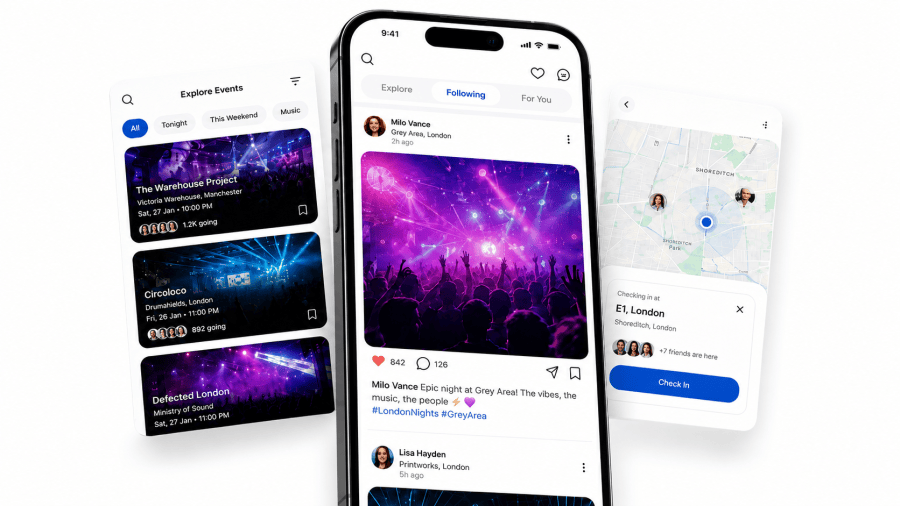
01 Social events
Mobile app, backend, advertising tools, a digital marketplace and website.
 02
02 Travel
A multilingual website connected to the booking API, with deposits, coupons and affiliate tracking.
 03
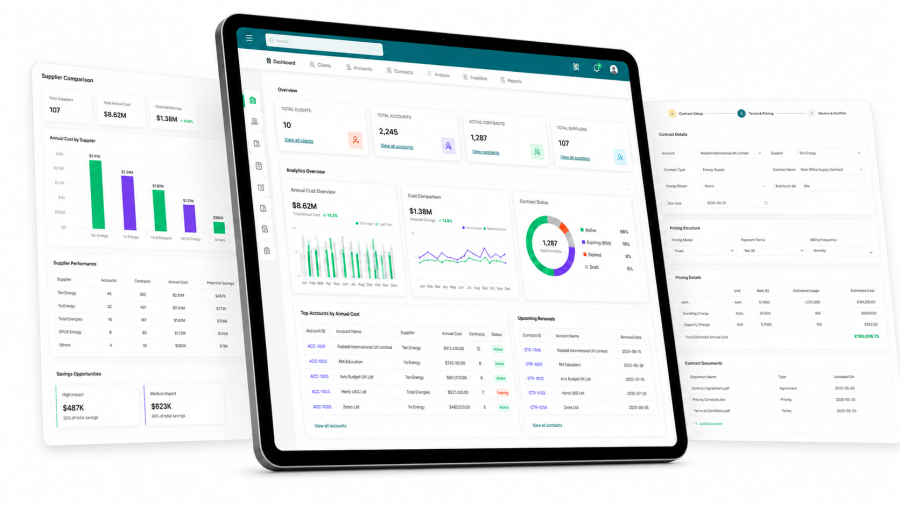
03 Energy brokerage
Supplier tenders, contract management, brokerage accounting and client records.
The same senior team stays close to scope, architecture, build, launch and what comes next.
We agree the outcome, users, integrations, budget and main technical risks before the work starts.
We plan the data, interfaces and failure modes around the way the system needs to operate.
You receive source access, a working environment and regular demonstrations throughout delivery.
We launch, document and monitor the work, then hand it over or continue as your engineering team.
Explore other rescue & security services.
 Clutch★★★★★5.0 / 5.0
Across 18 independently published client reviews
“They have a deeper technical knowledge than any web designer I've met to date.”
Yes. We clean the site fully, then submit it for review through Google Search Console and your host. The warning clears once the site passes as clean.
Removal alone is not enough — we find and close the entry point, then harden the site and add monitoring. Reinfection almost always means the original hole was never found.
In most cases, yes. Where an active infection is spreading or serving malware to visitors, we may put up a brief maintenance page while we work, and tell you before we do.
Book a 30-minute call with the senior team that will scope and lead the work.