

Structured content modelling
We design documents, references, and reusable objects so content is queryable and portable, not trapped inside one page template.
Sanity CMS development done properly: custom schemas, a tailored Studio, GROQ-powered front ends, and structured content that scales across sites and channels.
Sanity works best when the content model is designed deliberately rather than mirrored from a page layout. We model your content as structured, reusable documents, build custom schemas, and tailor Sanity Studio so editors get exactly the fields, validation, and previews they need: no orphaned rich-text blobs, no fields nobody understands six months later.
We design documents, references, and reusable objects so content is queryable and portable, not trapped inside one page template.
Tailored schemas, validation, custom input components, and desk structure so the editing experience fits how your team actually works.
Efficient GROQ queries against the Content Lake and CDN feed a Next.js, React, or native front end with the exact data each view needs.
Draft perspectives and real-time preview so editors see changes rendered before publishing, without a rebuild for every edit.
Content migrated from WordPress, another headless CMS, or legacy databases into Sanity, plus webhooks and functions connecting it to search, commerce, and downstream systems.
One content source serving web, mobile, and other surfaces, with localisation and versioning handled in the model rather than bolted on.
Related delivery with the client context and measurable outcomes attached.
 01
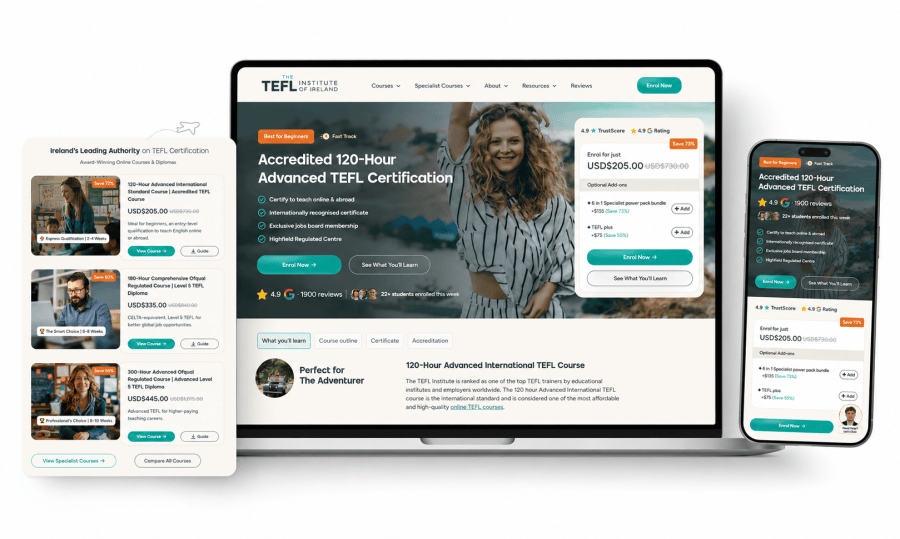
01WordPress and WooCommerce, a Moodle LMS, Stripe deposits and Zoho CRM, tied together with Zapier automation.
 02
02A lead-to-billing system on GoCardless Direct Debit, provider certification, and a React Native app for machine owners.
 03
03 Beauty commerce
Custom theme, customer accounts, loyalty rewards, referrals and gift-with-purchase offers.
 04
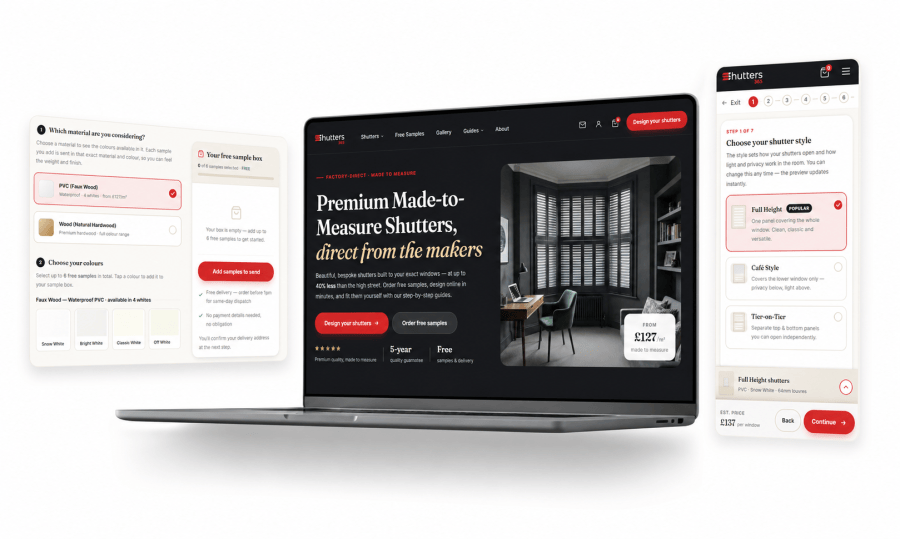
04 Home improvement
A seven-step product builder with live previews, sample orders and supplier tools.
 05
05 Home services
Custom plan configuration, postcode-qualified lead journeys, CRM synchronisation and campaign landing pages.
 06
06 Travel
A multilingual website connected to the booking API, with deposits, coupons and affiliate tracking.
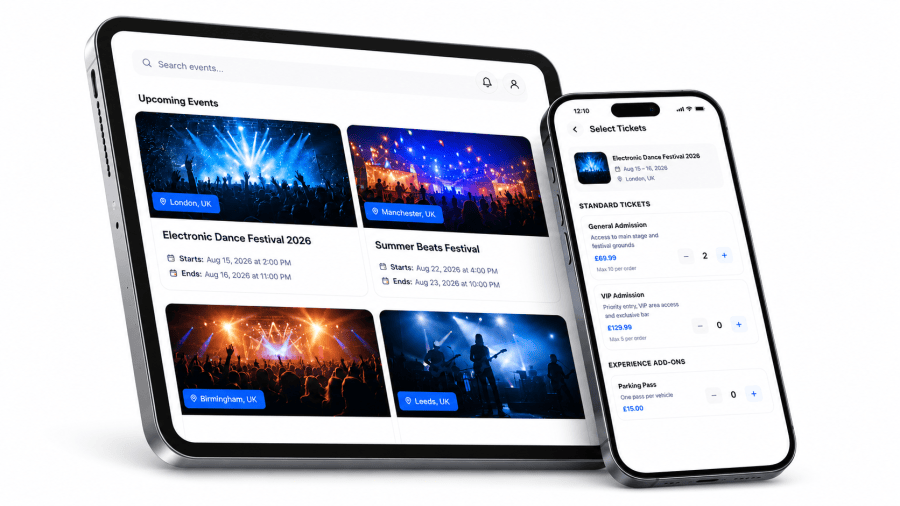 07
07 Event technology
Multi-organiser commerce, Stripe instalments and two native apps in one connected platform.
The same senior team stays close to scope, architecture, build, launch and what comes next.
We agree the outcome, users, integrations, budget and main technical risks before the work starts.
We plan the data, interfaces and failure modes around the way the system needs to operate.
You receive source access, a working environment and regular demonstrations throughout delivery.
We launch, document and monitor the work, then hand it over or continue as your engineering team.
Explore other web & commerce services.
 Clutch★★★★★5.0 / 5.0
Across 18 independently published client reviews
“They have a deeper technical knowledge than any web designer I've met to date.”
Sanity fits when content needs to feed more than one front end, such as a website plus an app or several sites sharing a source, and when you want structured, queryable content rather than page-bound markup. WordPress is often the better call when a single site needs a familiar all-in-one admin with plugins and live preview out of the box. We are honest about which suits your situation.
Yes. We configure draft perspectives and live preview so editors see their changes rendered in the real front end before publishing. Combined with structured validation in the Studio, this keeps the editing experience safe without forcing a rebuild for every change.
Yes. We map your current content, whether from WordPress, another headless CMS, or a database, into a Sanity schema, then script the import into the Content Lake with references and assets preserved. We reconcile the migrated content against the source so nothing is lost in the move.
Book a 30-minute call with the senior team that will scope and lead the work.