
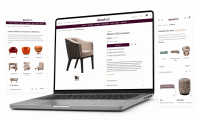


Decoupled architecture
A Next.js or React front end consuming WordPress through the REST API or WPGraphQL, with the admin left intact for the content team.
Next.js and React websites backed by WordPress content management and editorial workflows.
Headless WordPress keeps the familiar editing environment while using a separate application for the website or app. We assess the performance, publishing and maintenance trade-offs first, and recommend it where those benefits justify the extra moving parts.
A Next.js or React front end consuming WordPress through the REST API or WPGraphQL, with the admin left intact for the content team.
Static and incrementally regenerated pages served from a CDN, tuned for LCP, CLS, and INP on real mobile networks.
Live preview and draft rendering restored, so editors see changes before publishing despite the decoupled front end.
Content updates propagate through on-demand revalidation and cache invalidation rather than slow full rebuilds.
One WordPress content source feeding a website and a mobile or native client through the same API.
We weigh the editor experience, preview needs, and app footprint per project and only go headless when it genuinely pays off.
Related projects, with the decisions, delivery and results explained.
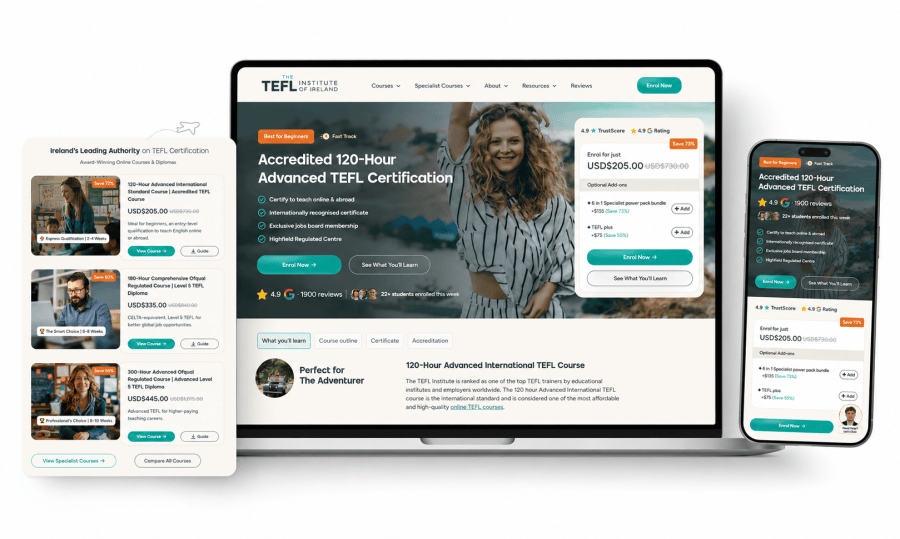 01
01 Education & training
WordPress and WooCommerce, a Moodle LMS, Stripe deposits and Zoho CRM, tied together with Zapier automation.
 02
02 Medical aesthetics
A lead-to-billing system on GoCardless Direct Debit, provider certification, and a React Native app for machine owners.
 03
03 Beauty commerce
Custom theme, customer accounts, loyalty rewards, referrals and gift-with-purchase offers.
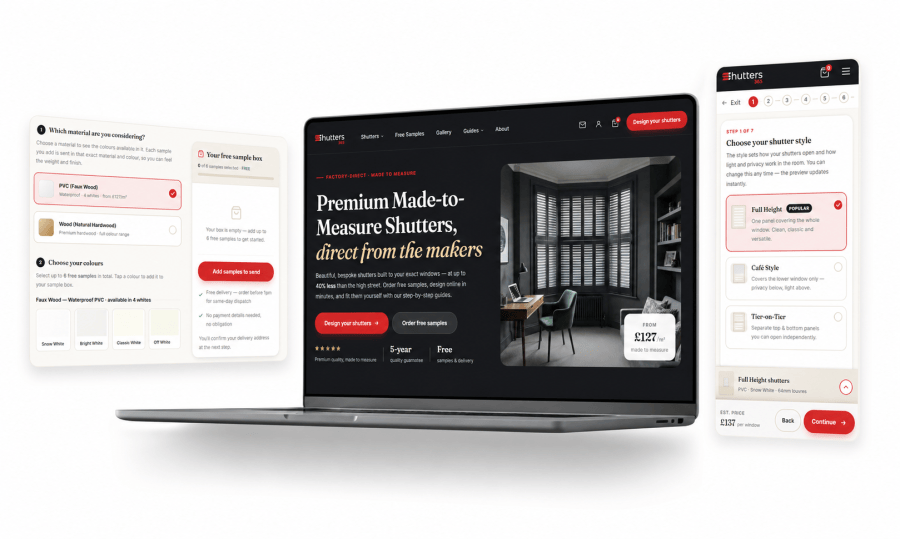 04
04 Home improvement
A seven-step product builder with live previews, sample orders and supplier tools.
 05
05 Home services
Custom plan configuration, postcode-qualified lead journeys, CRM synchronisation and campaign landing pages.
 06
06 Travel
A multilingual website connected to the booking API, with deposits, coupons and affiliate tracking.
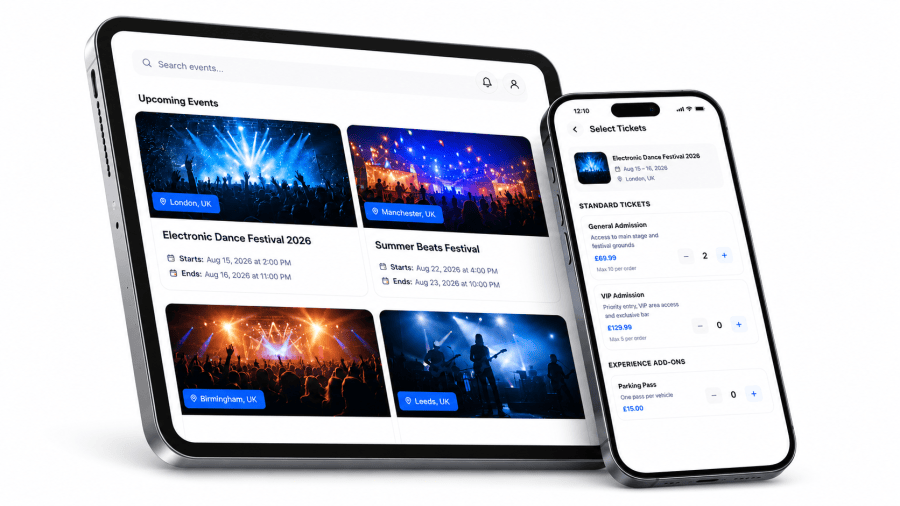 07
07 Event technology
Multi-organiser commerce, Stripe instalments and two native apps in one connected platform.
You work with the same senior team from the first scoping conversation through to launch and support.
We agree the outcome, users, integrations, budget and main technical risks before the work starts.
We plan the data, interfaces and failure modes around the way the system needs to operate.
You receive source access, a working environment and regular demonstrations throughout delivery.
We launch, document and monitor the work, then hand it over or continue as your engineering team.
Explore other web & commerce services.
 Clutch★★★★★5.0 / 5.0
Across 18 independently published client reviews
“They have a deeper technical knowledge than any web designer I've met to date.”
You gain a faster front end, better Core Web Vitals, and a back end you can share with a mobile app or multiple sites. You lose out-of-the-box live preview, some plugin front-end features, and simplicity, since a headless setup has more moving parts. We only recommend it when the front-end benefit clearly outweighs those costs.
Yes, when we build it. Preview is the main thing teams miss going headless, so we wire draft rendering and live preview into the front end so editors can see changes before publishing. It takes deliberate engineering, but the editing experience does not have to regress.
It depends on the front end. WPGraphQL is efficient when views need specific, nested data and helps avoid over-fetching, while the REST API is simpler and well supported for straightforward needs. We choose based on the data shape your front end actually requires rather than a fixed preference.
Bring your idea, your existing system or the problem you need to solve. A 30-minute call with our senior team will help clarify the next step.