
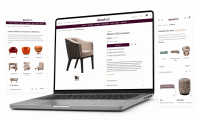


Eloquent and a clean data model
A modelled schema and Eloquent relationships that keep queries readable instead of an N+1 problem waiting to happen.
Senior Laravel engineering for SaaS, admin panels and billing-heavy apps: Eloquent, queues, Filament, Cashier and Postgres, built to stay maintainable.
Laravel is our default when a product is large on CRUD, admin and back-office surface, the kind of application where a batteries-included framework saves months over wiring the same pieces together by hand. Eloquent, queues, scheduling, auth and billing come as one coherent stack rather than a pile of packages.
A modelled schema and Eloquent relationships that keep queries readable instead of an N+1 problem waiting to happen.
Anything slower than a request pushed to queued jobs with Horizon, so the app stays responsive under load.
Back-office and operator tooling built as a first-class product, not a bolted-on afterthought.
Stripe subscriptions, proration, trials and usage metering via Cashier, reconciled against your records.
Token and session auth, roles and permissions for both first-party apps and third-party API access.
CI/CD, migrations and monitoring on servers you own, with no lock-in to a single PaaS.
Related delivery with the client context and measurable outcomes attached.
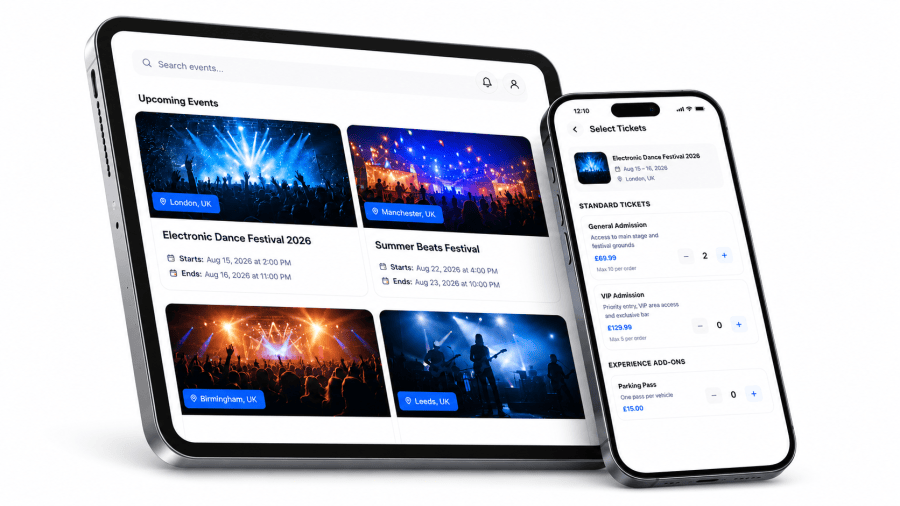 01
01 Event technology
Multi-organiser commerce, Stripe instalments and two native apps in one connected platform.
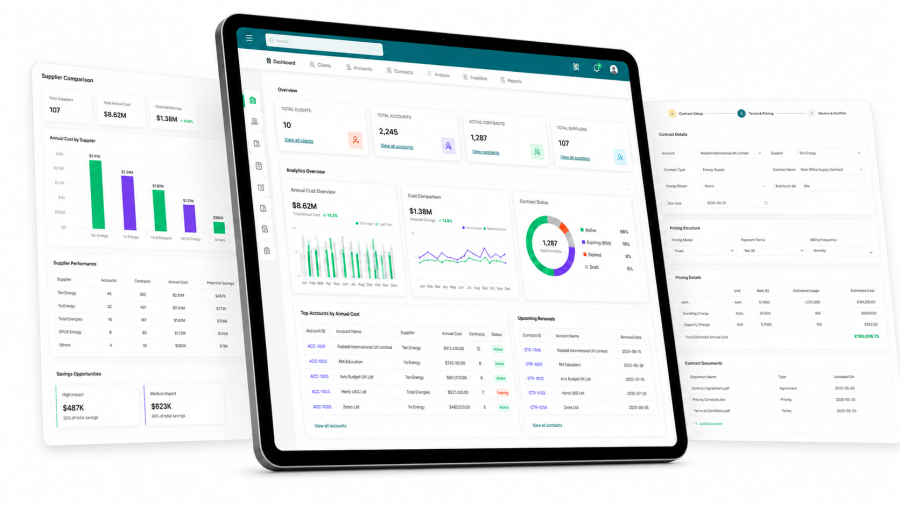 02
02 Energy brokerage
Supplier tenders, contract management, brokerage accounting and client records.
 03
03A lead-to-billing system on GoCardless Direct Debit, provider certification, and a React Native app for machine owners.
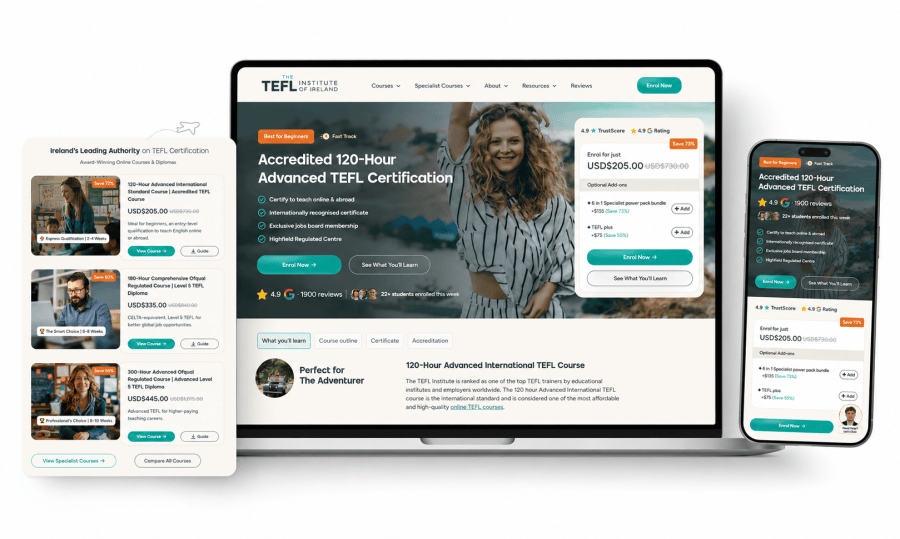 04
04WordPress and WooCommerce, a Moodle LMS, Stripe deposits and Zoho CRM, tied together with Zapier automation.
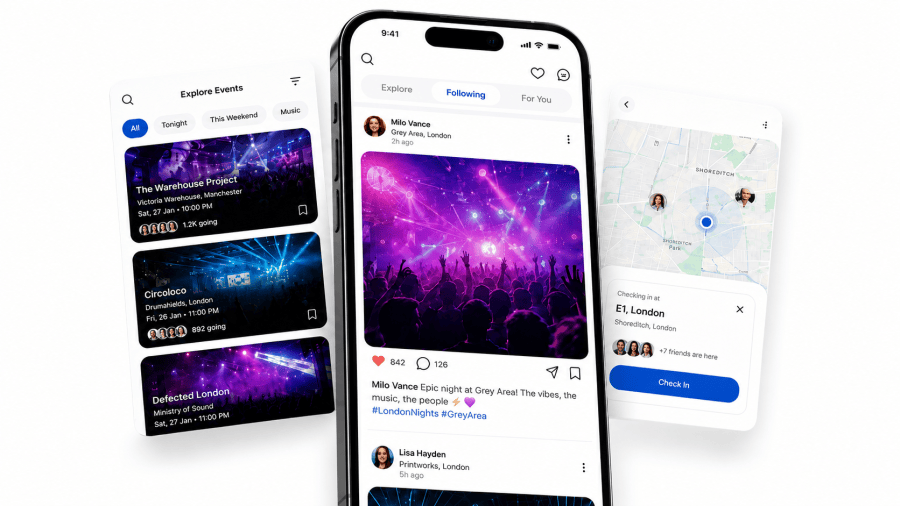 05
05 Social events
Mobile app, backend, advertising tools, a digital marketplace and website.
The same senior team stays close to scope, architecture, build, launch and what comes next.
We agree the outcome, users, integrations, budget and main technical risks before the work starts.
We plan the data, interfaces and failure modes around the way the system needs to operate.
You receive source access, a working environment and regular demonstrations throughout delivery.
We launch, document and monitor the work, then hand it over or continue as your engineering team.
Explore other product engineering services.
 Clutch★★★★★5.0 / 5.0
Across 18 independently published client reviews
“They have a deeper technical knowledge than any web designer I've met to date.”
When the product is large on CRUD, admin and back-office logic and benefits from a batteries-included framework. We reach for Node and Fastify instead when it is API-heavy and needs websockets or AI streaming.
Yes. We audit the code, database and dependencies first, document what we find, then stabilise and continue or refactor the modules holding you back.
Yes. We build operator and admin tooling with Filament or Livewire as part of the product, so your team can run the business without a developer in the loop.
Book a 30-minute call with the senior team that will scope and lead the work.