



Two-sided by design
Buyer and supplier journeys built as first-class products, so neither side feels like an afterthought.
We build two-sided B2B marketplaces: supplier onboarding, catalogues, orders, payouts and trust, engineered to stay fast as buyers, SKUs and orders grow.
A B2B marketplace is really two products sharing a database, buyers searching a catalogue and suppliers managing inventory, orders and payouts, and it has to keep both sides fast while all of it grows at the same time. That balancing act is where most marketplace builds quietly fall over.
Buyer and supplier journeys built as first-class products, so neither side feels like an afterthought.
Verification, catalogue upload and the trust signals that let buyers transact with suppliers they do not yet know.
Search, filtering and a data model that stay responsive as SKUs and suppliers grow into the hundreds of thousands.
Order management across both sides, with the states, notifications and edge cases real B2B ordering needs.
Split payments, escrow and supplier payouts wired through Stripe or your provider, reconciled to the ledger.
Tiered and negotiated pricing, minimum orders, RFQ and net terms, the logic a consumer marketplace never has to handle.
Related delivery with the client context and measurable outcomes attached.
 01
01 Event technology
Multi-organiser commerce, Stripe instalments and two native apps in one connected platform.
 02
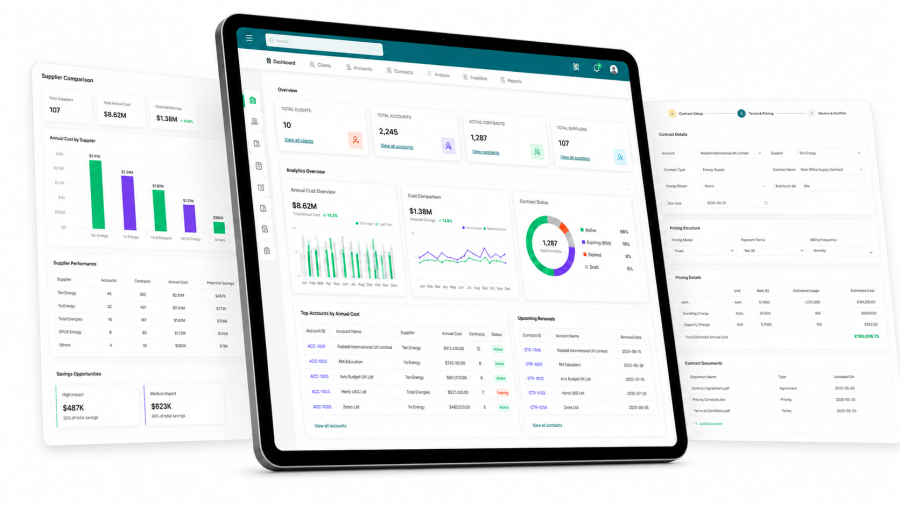
02 Energy brokerage
Supplier tenders, contract management, brokerage accounting and client records.
 03
03A lead-to-billing system on GoCardless Direct Debit, provider certification, and a React Native app for machine owners.
 04
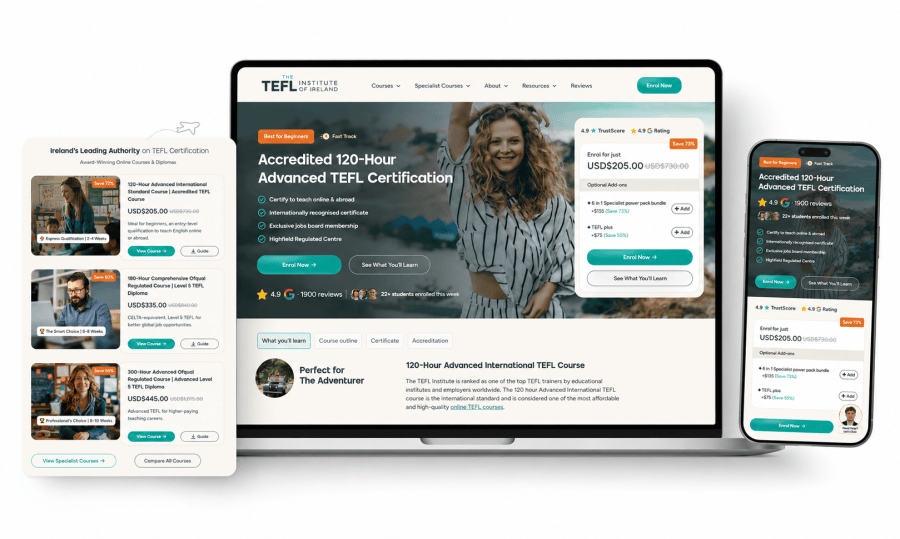
04WordPress and WooCommerce, a Moodle LMS, Stripe deposits and Zoho CRM, tied together with Zapier automation.
 05
05 Social events
Mobile app, backend, advertising tools, a digital marketplace and website.
The same senior team stays close to scope, architecture, build, launch and what comes next.
We agree the outcome, users, integrations, budget and main technical risks before the work starts.
We plan the data, interfaces and failure modes around the way the system needs to operate.
You receive source access, a working environment and regular demonstrations throughout delivery.
We launch, document and monitor the work, then hand it over or continue as your engineering team.
Explore other product engineering services.
 Clutch★★★★★5.0 / 5.0
Across 18 independently published client reviews
“They have a deeper technical knowledge than any web designer I've met to date.”
The architecture is set for it early: indexed and, where needed, pre-aggregated catalogue queries, queue-backed background jobs for anything slow, and a data model chosen so buyer and supplier volume can grow in parallel without degrading.
Yes. Tiered pricing, negotiated rates, minimum order quantities, RFQ flows and net payment terms are core B2B requirements we build in, not add-ons.
Yes. We implement split payments, escrow where it is needed and scheduled supplier payouts through Stripe or your payment provider, reconciled against orders.
Book a 30-minute call with the senior team that will scope and lead the work.