



Django 5.x + DRF, done conventionally
Typed serializers, viewsets, throttling, pagination and JWT auth in the boring, conventional way that ships fast and scales — with OpenAPI docs generated from the code.
Django and DRF APIs built for real-time field operations — location pings, delivery confirmations and settlement runs from thousands of mobile clients. Fast under burst load, cheap to scale, batteries included.
We build Django REST Framework APIs for the systems that run operations in the field: last-mile delivery, logistics, microfinance collection, surveys — anywhere thousands of mobile clients hit the same endpoints and a lost confirmation costs real money. Django's conventions get you to production fast; the engineering is in making them absorb burst traffic without burning the database.
Typed serializers, viewsets, throttling, pagination and JWT auth in the boring, conventional way that ships fast and scales — with OpenAPI docs generated from the code.
Location pings, status updates and delivery confirmations from thousands of mobile clients, built to absorb burst traffic without hammering the database.
Celery + Redis for the work off the request thread — settlement runs, SMS/WhatsApp dispatch, geocoding, route optimisation and reporting exports, with dead-letter queues for the failures.
Offline-tolerant, paginated and retry-safe, so an agent's app on a bad connection never double-charges or loses a confirmation.
Razorpay, Stripe, NPCI rails, partner APIs and SMS gateways — webhook reliability done properly with idempotency keys and dead-letter queues.
Django 1.x/2.x codebases brought to current LTS — migrations rebased cleanly, deprecated patterns replaced, and the test suite restored before new work starts.
Related delivery with the client context and measurable outcomes attached.
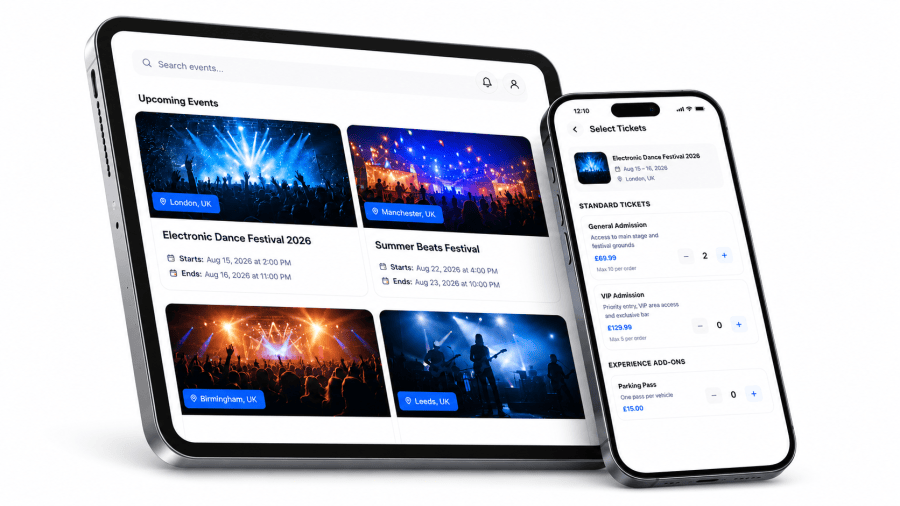 01
01 Event technology
Multi-organiser commerce, Stripe instalments and two native apps in one connected platform.
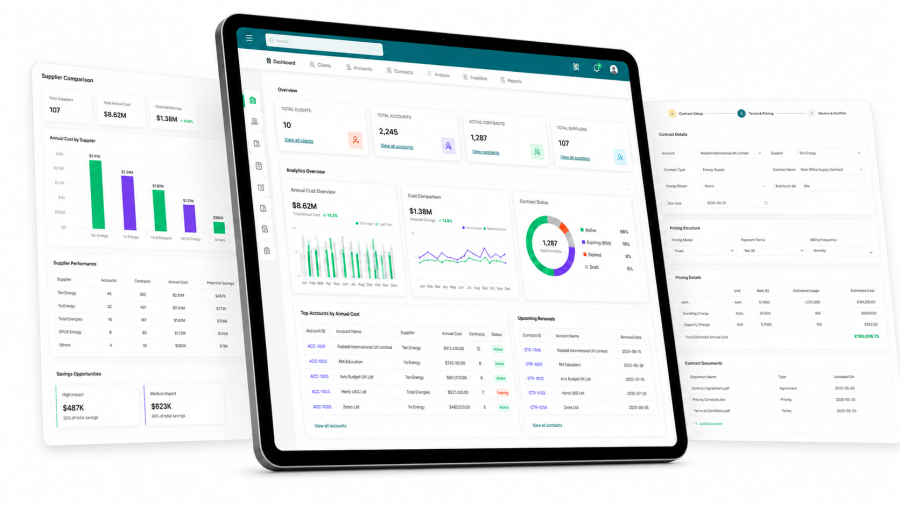 02
02 Energy brokerage
Supplier tenders, contract management, brokerage accounting and client records.
 03
03A lead-to-billing system on GoCardless Direct Debit, provider certification, and a React Native app for machine owners.
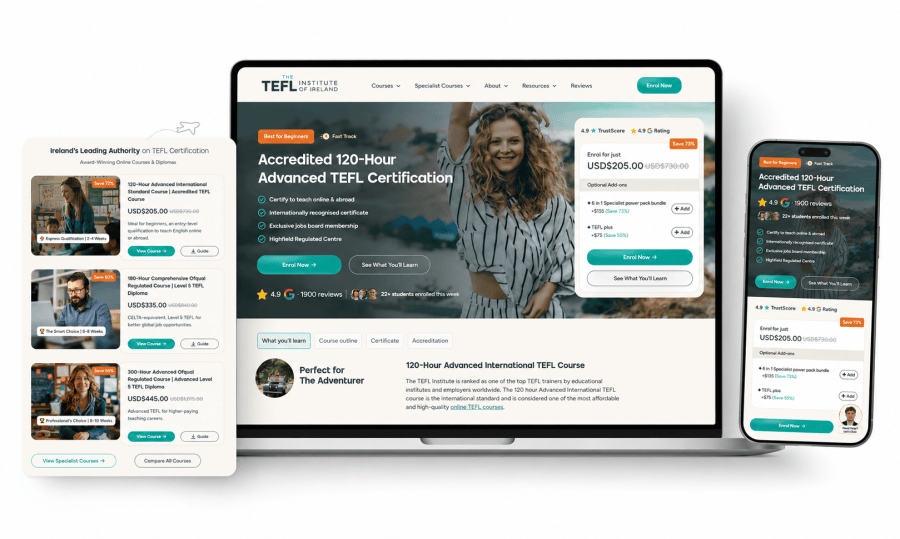 04
04WordPress and WooCommerce, a Moodle LMS, Stripe deposits and Zoho CRM, tied together with Zapier automation.
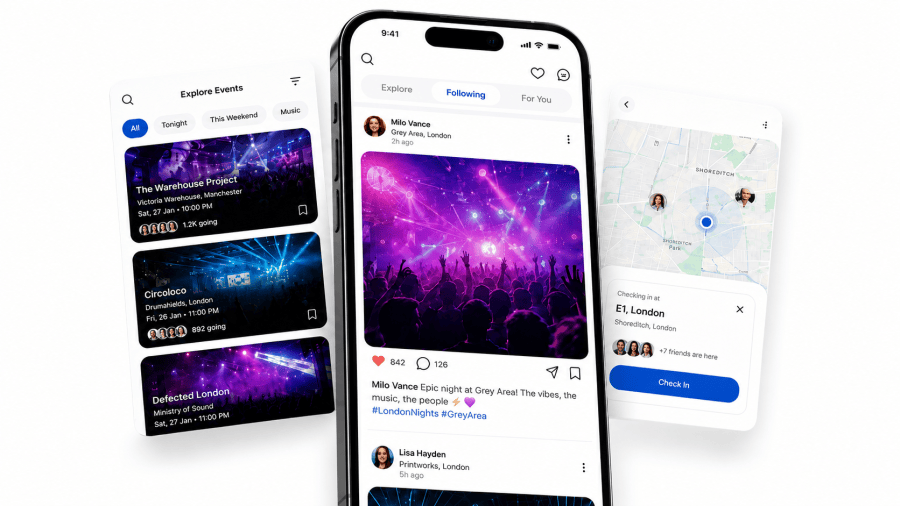 05
05 Social events
Mobile app, backend, advertising tools, a digital marketplace and website.
The same senior team stays close to scope, architecture, build, launch and what comes next.
We agree the outcome, users, integrations, budget and main technical risks before the work starts.
We plan the data, interfaces and failure modes around the way the system needs to operate.
You receive source access, a working environment and regular demonstrations throughout delivery.
We launch, document and monitor the work, then hand it over or continue as your engineering team.
Explore other product engineering services.
 Clutch★★★★★5.0 / 5.0
Across 18 independently published client reviews
“They have a deeper technical knowledge than any web designer I've met to date.”
Django earns its place on operations platforms with real concurrency and data volume — field agents, mobile fleets, settlement and reporting. For websocket-heavy realtime we will often point you at Node instead, and for a marketing or content site we will point you at a CMS. We say so rather than sell you capacity you do not need.
Yes. Burst-absorbing endpoints, Redis caching, read replicas where the load demands, and Celery moving anything slow off the request thread. Gunicorn behind nginx with a zero-downtime migration pattern, structured logging and Sentry so problems surface before your users report them.
Yes — including EOL Django versions. We audit first, bring it to current LTS with migrations rebased cleanly, replace deprecated patterns, and restore the test suite before building anything new. You own all of it: source, infrastructure and integrations.
Book a 30-minute call with the senior team that will scope and lead the work.