



Row Level Security done right
Access policies designed at the database level and tested, so tenant isolation does not depend on remembering a filter in the client.
Production apps on Supabase: Postgres with Row Level Security, Auth, Realtime, Storage and Edge Functions, designed so your database stays yours and portable.
Supabase gives you Postgres, auth, storage, realtime and edge functions without standing up a backend from scratch, which makes it fast to start and easy to get wrong. Most of the risk sits where it always does: the data model and the Row Level Security policies that decide who can read and write what.
Access policies designed at the database level and tested, so tenant isolation does not depend on remembering a filter in the client.
A modelled schema with version-controlled migrations, not tables clicked together in the dashboard.
Supabase Auth wired for email, magic links, OAuth and SSO, with roles that map to your RLS policies.
Live subscriptions, presence and file storage integrated where the product needs them, not everywhere by default.
Server-side logic in Edge Functions for webhooks, payments and anything that must not run in the browser.
It is Postgres underneath, so your data and schema stay exportable and you are never locked into the platform.
Related delivery with the client context and measurable outcomes attached.
 01
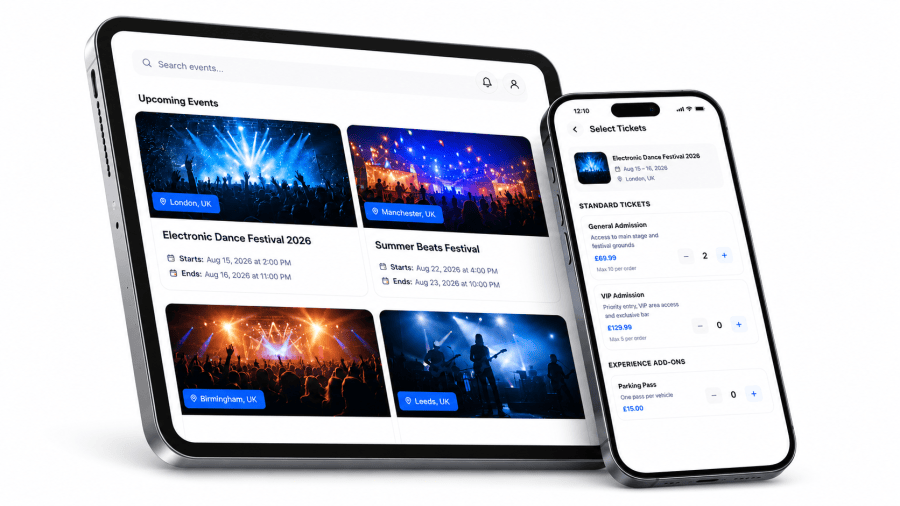
01 Event technology
Multi-organiser commerce, Stripe instalments and two native apps in one connected platform.
 02
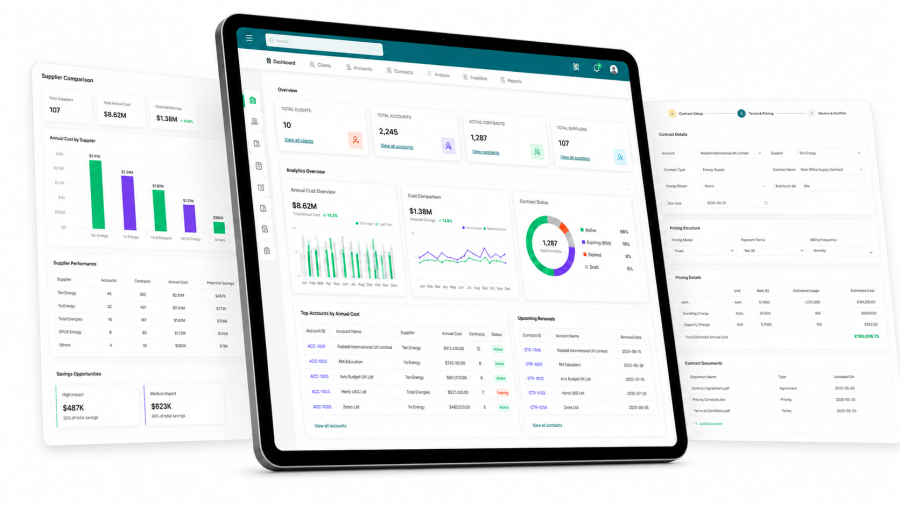
02 Energy brokerage
Supplier tenders, contract management, brokerage accounting and client records.
 03
03 Medical aesthetics
A lead-to-billing system on GoCardless Direct Debit, provider certification, and a React Native app for machine owners.
 04
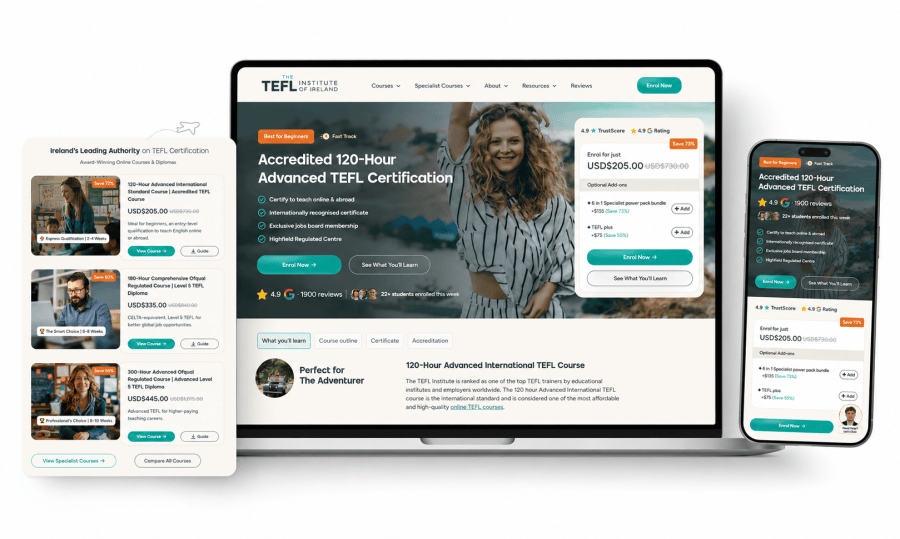
04 Education & training
WordPress and WooCommerce, a Moodle LMS, Stripe deposits and Zoho CRM, tied together with Zapier automation.
 05
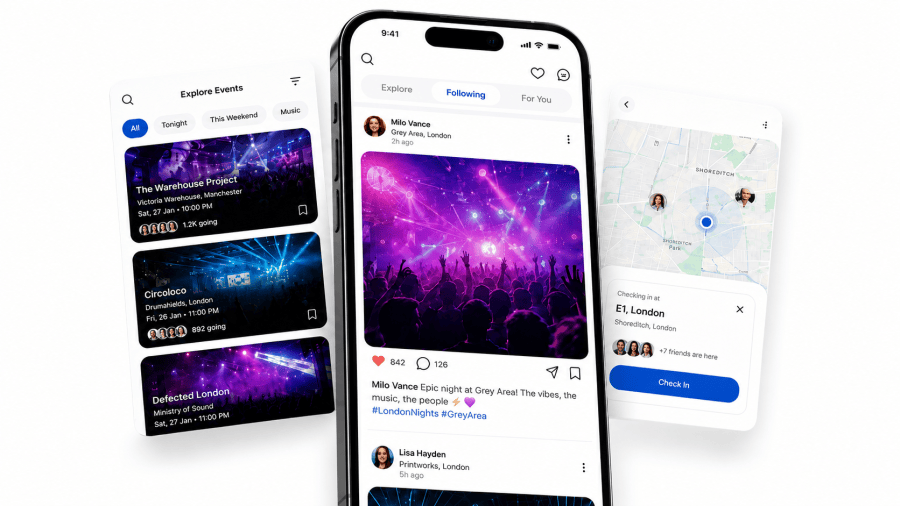
05 Social events
Mobile app, backend, advertising tools, a digital marketplace and website.
The same senior team stays close to scope, architecture, build, launch and what comes next.
We agree the outcome, users, integrations, budget and main technical risks before the work starts.
We plan the data, interfaces and failure modes around the way the system needs to operate.
You receive source access, a working environment and regular demonstrations throughout delivery.
We launch, document and monitor the work, then hand it over or continue as your engineering team.
Explore other product engineering services.
 Clutch★★★★★5.0 / 5.0
Across 18 independently published client reviews
“They have a deeper technical knowledge than any web designer I've met to date.”
It is production-ready; it is managed Postgres with auth and APIs on top. The parts that decide whether it holds up are the schema and the RLS policies, which is exactly where we spend the design time.
We design access policies at the database level and test them against each role, so isolation is enforced by Postgres rather than by client-side filters that are easy to forget.
Yes. Because it is standard Postgres underneath, your schema and data are exportable and the app can be migrated to your own Postgres instance without a rewrite.
Book a 30-minute call with the senior team that will scope and lead the work.